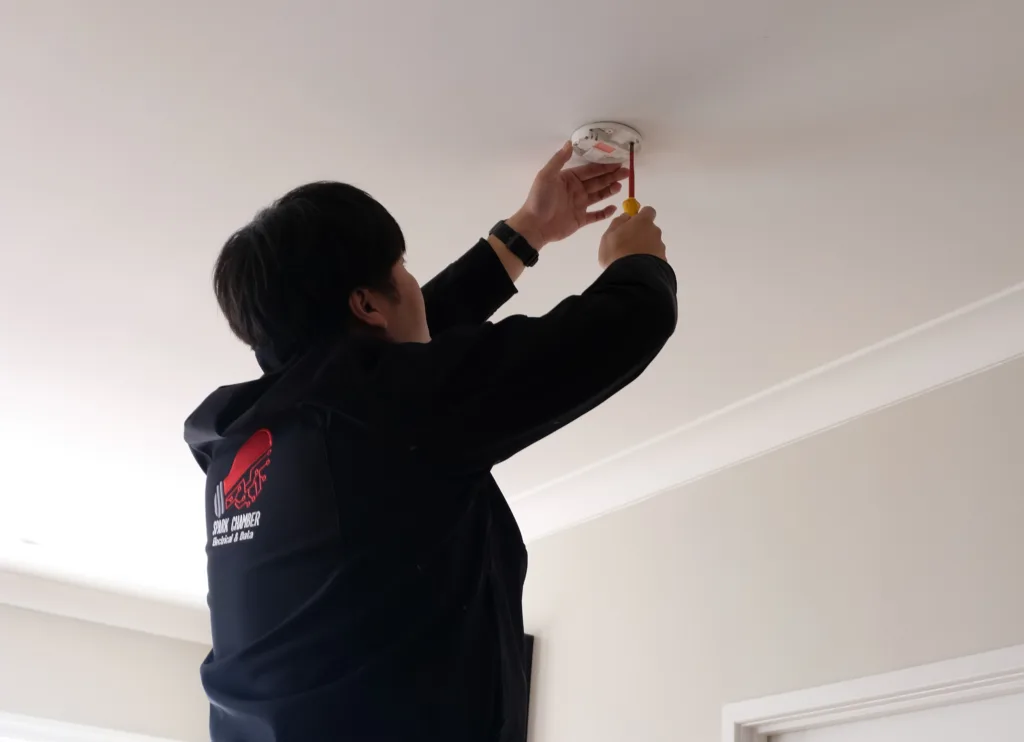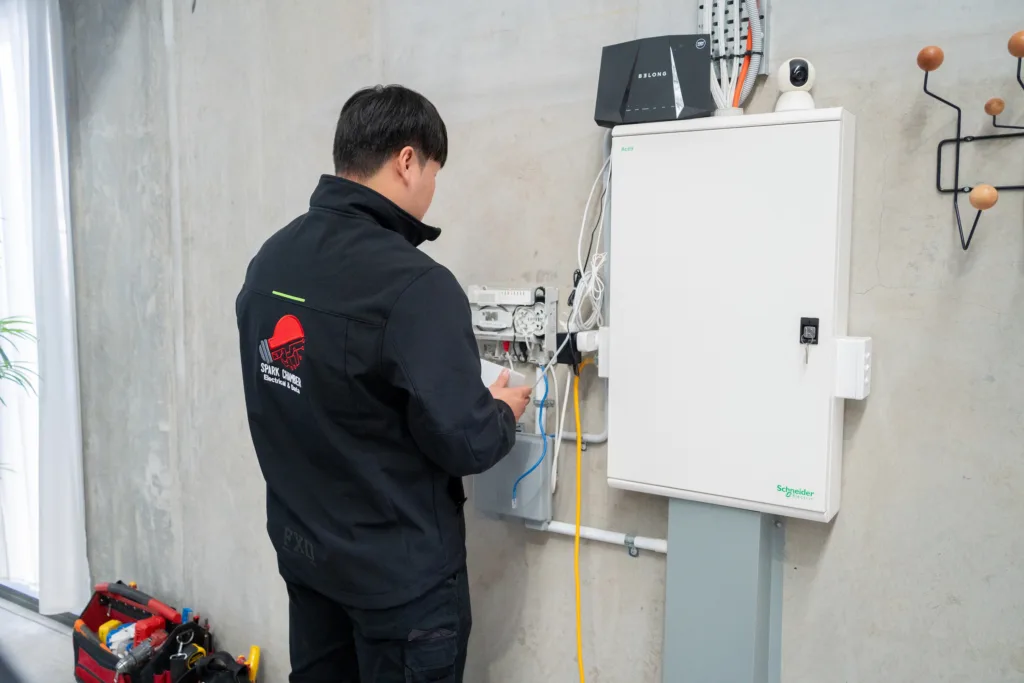
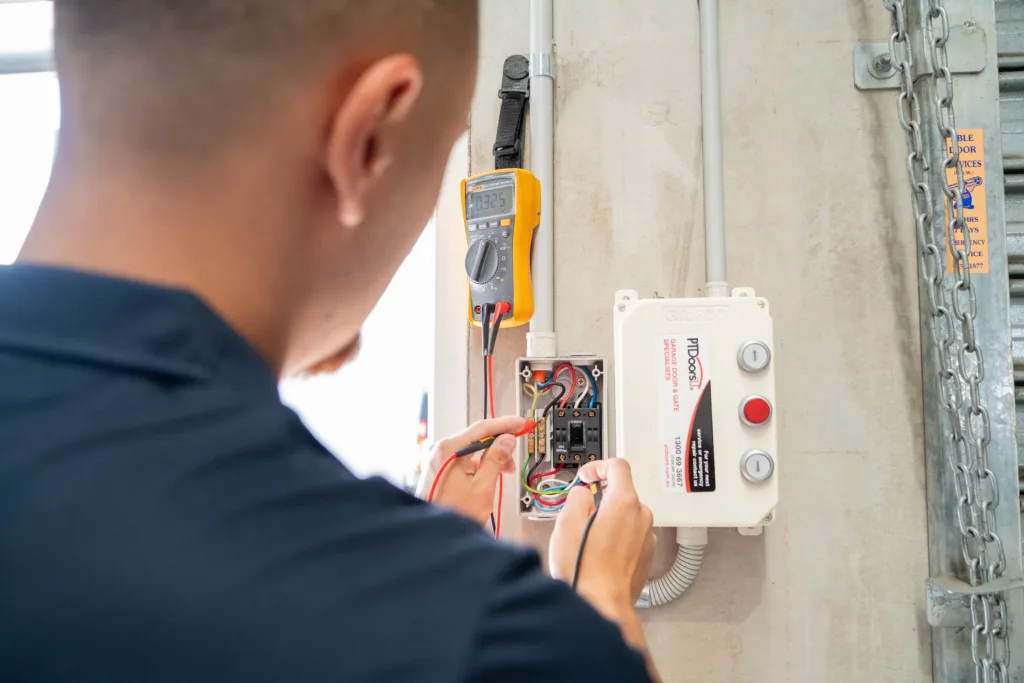
A safety switch or circuit breaker that keeps tripping is doing exactly what a protective device is meant to do: disconnecting the electricity when it detects a condition outside its safe operating limits.
The frustrating part is that the switchboard rarely tells you the full cause.
The problem may involve one appliance, one circuit or part of the fixed electrical installation.
This guide explains the safe checks a property occupant can make and the point where professional fault finding is required.
Common reasons a circuit trips
A faulty appliance
Kettles, toasters, washing machines, dishwashers, heaters, fridges and other appliances can develop faults.
Sometimes the circuit only trips when one particular item is connected or reaches a certain stage of operation.
Too much load on one circuit
Portable heaters, cooking appliances and other high-demand equipment can overload a circuit when used together.
This is more common where several outlets are connected to one older circuit or multiple appliances are run through power boards.
Moisture or water entry
Outdoor outlets, garden lighting, roof spaces, laundries, kitchens and other damp areas can be affected by moisture.
A fault may appear only after rain, cleaning or high humidity.
Damaged wiring or accessories
Loose connections, damaged cables, deteriorated insulation, pests, renovations and impact damage can create electrical faults.
These problems usually need test equipment and systematic isolation to locate.
A deteriorated protective device
Protective devices can also become defective.
An electrician must test the circuit and device rather than assuming the breaker itself is the problem.
What you can check safely
If there is no burning smell, smoke, visible damage, electric shock or other immediate danger, you can take these limited steps:
- Note which switch has moved to the off or tripped position.
- Unplug portable appliances connected to the affected area.
- Reset the device once.
- Reconnect appliances one at a time, allowing time for each item to operate.
- Stop if the circuit trips again or if you identify a suspect appliance.
Do not remove power points, light fittings or switchboard covers.
Do not attempt wiring repairs, bypass a safety device or keep resetting a circuit that repeatedly trips.
When to call an electrician immediately
Arrange urgent assistance if you notice:
- A burning smell, smoke, buzzing or crackling
- Heat or discolouration around the switchboard or an outlet
- Sparking, an electric shock or a tingling sensation
- Water near electrical equipment
- Exposed conductors or damaged electrical accessories
- A circuit that will not remain on after appliances are unplugged
- Repeated tripping with no clear appliance cause
- Partial power loss affecting fixed equipment or multiple areas
If there is a fire or an immediate threat to life, call Triple Zero.
How professional fault finding works
Electrical fault finding should be systematic.
Depending on the symptoms, the electrician may:
- Confirm which circuit and protective device are affected
- Gather information about when the fault occurs
- Isolate connected equipment
- Inspect visible components
- Carry out relevant electrical testing
- Divide the circuit into sections to narrow down the fault
- Identify damaged equipment or wiring
- Explain the repair options and any further investigation required
Intermittent faults can take longer to trace because the problem may depend on temperature, moisture, movement or a particular appliance cycle.
Honest diagnosis is better than replacing random parts and hoping the issue disappears.
Why the circuit should not simply be made “stronger”
Replacing a breaker with a higher-rated device to prevent tripping is not a valid shortcut.
Circuit protection must be selected to protect the connected wiring and installation.
Changing it without proper assessment can increase risk rather than solve the underlying fault.
Need electrical fault finding in Sydney?
Spark Chamber Electrical provides electrical fault finding and electrical repairs for homes, businesses and strata properties across Greater Sydney.
Tell us what is tripping, when it started and whether any recent weather, appliance or renovation work may be connected to the problem.
Where the issue may relate to an older or unsuitable switchboard, we can also carry out a switchboard assessment and explain whether repair, testing or an upgrade is required.